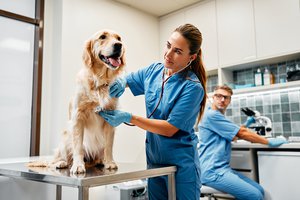
7 Best Affordable Pet Insurance Companies of 2026


- PropertyNest's review highlights several top pet insurance companies and their specialized offerings. For instance, Lemonade caters to tech-savvy pet owners, Fetch provides comprehensive accident and illness coverage, and Wagmo offers 100% reimbursement after deductibles.
- Pet insurance operates on a reimbursement basis, so it's crucial to understand what each policy covers, as some may exclude pre-existing conditions or specific breed-related issues.
- Lemonade is particularly noted for its technological convenience, featuring fast claim processing and multi-policy discounts, making it an excellent choice for customers who already use their other insurance products.
- Understanding the costs, coverage options, and exclusions associated with pet insurance can help pet owners select the right plan, potentially avoiding unexpected out-of-pocket expenses for veterinary care.
- Comparing different pet insurance rates and coverage can lead to cost savings and ensure that pets receive the necessary care. Additionally, some companies provide wellness and preventative care options for a more comprehensive insurance plan.
Investing in pet insurance is one of the kindest gestures you can make for your beloved furry friends. However, navigating the maze of insurance providers and plan options can be challenging. It's crucial to understand that pet insurance typically operates differently from standard health insurance - it's more of a reimbursement model, often loaded with exceptions on what's covered. This means that, in many cases, you'll be shouldering the vet bills upfront.
That's why choosing a pet insurance provider that will cover your pet's specific needs and process your claims speedily is essential. The team at PropertyNest has done the hard work for you, researching many insurance companies and assembling a list of the best pet insurance options nationwide. We've also put together a handy guide on what to expect regarding coverage.
Best Pet Insurance Companies
Our Top Choice


Lemonade Pet Insurance: Best For Tech and Convenience


If you are a Lemonade customer for your auto or home policy, you may be familiar with their website and app.
Both the app and website are intuitive and very easy to use. Their chatbot, Maya, will walk you through getting a quote for a pet insurance policy by asking a series of questions.
The quote process takes about 5 minutes from start to finish and requires minimal information.
You can also make changes to your policy, file a claim, or ask questions directly through the app and website.
Due to this, we recommend Lemonade for the tech-savvy individual who prefers to self-serve with technology.
In addition to accident and illness coverage, Lemonade offers several policy packages that can provide more comprehensive coverage to your pet.
The extra add-ons for wellness coverage are comprehensive and even extend to alternative therapies like acupuncture, physical therapy, and hydrotherapy.
What's more, if you already have renters or homeowners insurance through Lemonade, adding your pet is easy and will save you money.
According to Lemonade, most pet claims are reimbursed in minutes.
| Reimbursement Levels | 70%, 80%, 90% |
|---|---|
| Deductible Options | $100, $250, $500 |
| Maximum Coverage Limits | $5,000, $10,000, $20,000, $50,000, $100,000 |
| BBB | B+ |
|---|---|
| NAIC Complaint Index | 2.90 |
MetLife: Best For Discounts & Customization

MetLife Pet Insurance is our top pick for the pet insurance company with the best discounts.
Many pet owners are looking to save, but few insurance providers offer the extensive opportunities for discounts that MetLife provides, making them stand out.
Eligible customers, such as veterinarians or shelter workers, can receive a discount for working in the animal field. Discounts are also available for military personnel and those with certain group or employer affiliations.
By purchasing a policy online, you can even get an internet purchase discount. These are just a few of the many savings opportunities available—see the details in the table below.
MetLife is known to offer several discounts and provide a variety of coverage add-ons, making its policies entirely customizable.
Wellness plans are available for an extra cost, which is not always an option with other pet insurance providers.
In addition to these great benefits, MetLife Pet Insurance offers the financial stability of a larger company and the coverage options pet owners need.
| Reimbursement Levels | Up to 90% of vet costs |
|---|---|
| Deductible Options | $0-$750 (in increments of $50), and $1,000, $1,250, $1,500, $2,000, $2,500 |
| Maximum Coverage Limits | Varies by plan; unlimited coverage may be available in some states |
| A.M. Best - Financial Strength Rating | A+ |
|---|---|
| BBB | A- |
Fetch Pet Insurance: Best For Accidents and Illness


Fetch Pet Insurance is an excellent option for those with older pets or just straightforward pet insurance coverage but still want the convenience of an app.
Formerly known as Petplan, Fetch Pet Insurance now has the resources and tech of The Dodo behind them.
The most significant benefit to Fetch's policies is their coverage for the price compared to other pet insurance companies.
First, they do not decline pets due to their age. If your animal is older than 14, it can still be insured with Fetch.
In addition, they also include coverage for hereditary conditions for specific breeds, which other companies often exclude.
Coverage is also customizable to make the policy even more affordable. Various options can be selected for max annual payout, deductible, and reimbursement.
Fetch will start offering pet owners the tools of Fetch Forward technology, which uses data points and insights on navigating your pet's health.
However, it is important to note that while Fetch includes comprehensive coverage for vet exam fees, diagnostics, bloodwork, etc., for accidents or illnesses, it does not offer Wellness options.
The average claim is processed within 22 days.
| Reimbursement Levels | 70%, 80%, 90% |
|---|---|
| Deductible Options | $250, $300, $500 |
| Maximum Coverage Limits | $5,000, $10,000, $15,000 |
| Better Business Bureau (BBB) | A+ |
|---|
Wagmo Pet Insurance: Best Pet Insurance With 100% Reimbursement


Few pet insurance companies offer 100% reimbursement for pet insurance claims, and Wagmo is one of them.
Once you meet the deductible, you get back 100% of what you paid at the vet's office for items covered under your plan.
What's great is Wagmo's emphasis on wellness, which is what their basic plans offer. These usually include annual exams, vaccines, and routine bloodwork.
If your pet ever runs into trouble that requires a hospital stay, diagnostics like CT scans, or surgery, you're covered with their pet emergency coverage add-on option.
That can give every pet owner peace of mind—knowing they won't have to choose between financial restraints and their pet.
This is especially important for pet owners who know that their pet might be spending a lot of time at the vet's, either due to an accident-prone pet or an undiagnosed condition.
Wagmo policyholders should expect to wait anywhere from 10-15 days for their claims to get processed.
| Reimbursement Levels | 100% |
|---|---|
| Deductible Options | $250, $500, $1,000 |
| Maximum Coverage Limits | $10,000 per accident/illness; $100,000 lifetime limit |
| Better Business Bureau (BBB) | B- |
|---|
Pet Assure: Best Alternative to Traditional Pet Insurance
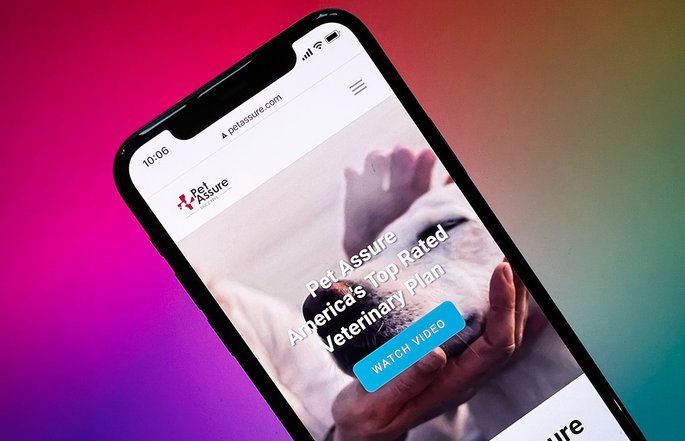
Pet Assure has a different approach to helping you pay for your pet's healthcare. Rather than working like traditional insurance, Pet Assure is a discount plan.
The advantage of Pet Assure's approach is that you can't be denied a discount for any medical services rendered at a vet's office or clinic. Even wellness visits are included.
There are no waiting periods, claim forms, deductibles, maximum coverage limits, or medical-related procedures and services excluded from being discounted.
You show your PetAssure card at the vet's office fora 25% discount.
The most important feature is that it isn't an issue if your pet has a pre-existing condition. No services or treatment rendered at the vet's office will be excluded from a discount based on your pet's condition, which may have been previously diagnosed.
Not only is it a very straightforward plan, but it costs less than $10 a month!
However, three crucial details should be kept in mind. Grooming services, lab work sent out of the office, and food and medications are not covered.
Second, and most importantly, PetAssure can only be offered as a benefit through your employer. So, you can't enroll yourself directly; you need to involve your employer.
Thirdly, you must go to a participating veterinarian, which you can find right on their site. If not, you can ask your vet to enroll.
The good news is that it's easy for both to enroll online.
| Better Business Bureau (BBB) | A+ |
|---|
Spot Pet Insurance: Best for Pet Wellness Coverage Options

Pet insurance tends to be less comprehensive than health insurance for humans. Most pet insurance companies cover the basics, such as accidents, illnesses, and injuries.
If you're lucky, you buy into a pet insurance company that offers some wellness options, but you rarely get the option of adding more comprehensive preventative or wellness coverage to your plan.
Spot Pet Insurance offers six different plan levels and add-ons for wellness/preventative coverage, which covers spaying/neutering, microchipping, deworming, dental, and labs.
Spot starts with three levels for their standard plan, which vary in reimbursement percentage, annual limit, and deductibles. However, you can opt for accident-only coverage, which is also broken down into three levels.
After selecting your base plan, you can add any wellness or preventative coverage.
While claims can sometimes be processed as quickly as 4-5 days, policyholders should, on average, allow 10-14 days to get a reimbursement.
| Reimbursement Levels | 70%, 80%, 90% |
|---|---|
| Deductible Options | $100, $250, $500, $750, $1,000 |
| Maximum Coverage Limits | $2,500, $3,000, $4,000, $5,000, $7,000, $10,000, to unlimited |
| Better Business Bureau (BBB) | A |
|---|
Pumpkin Pet Insurance: Best For Comprehensive Coverage
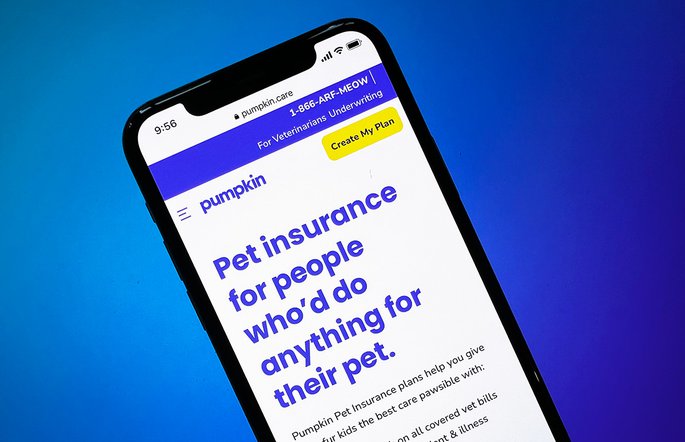
Pumpkin’s easy-to-use quoting system will make even the most novice buyers confident in their purchase.
Not only do they explain the coverage at every step of the quote process, but Pumpkin also asks specific questions to ensure they recommend the best plan for your pet.
A customized quote is then presented to you based on the responses you provide. For this reason and more, Pumpkin has the best customer reviews.
Customers also love the quick and easy claim process as well. You can file a claim online, which can be paid directly to you or your vet.
In addition to having a great customer experience, Pumpkin has several coverages that come standard and which other insurers charge extra for.
For example, suppose a vet recommends advanced treatments or alternative therapies. In that case, you can get coverage for acupuncture, stem cell therapy, and behavioral therapy for your pets with arthritis or chronic pain.
Another example is that Pumpkin covers all pets, regardless of age.
Most insurers exclude pets as old as 14 or older or limit their reimbursement percentage.
What's more, is that your vet bill is 90% eligible for reimbursement across the board.
Pumpkin's claims processing time is longer than average. Your claim can take 2-4 weeks to process fully.
| Reimbursement Levels | 90% |
|---|---|
| Deductible Options | $100, $250, $500 |
| Maximum Coverage Limits | $7,000, $15,000, to unlimited |
| Better Business Bureau (BBB) | B- |
|---|
Find the Best Pet Insurance in Your State
How Does Pet Insurance Work?
Pet insurance usually works a little differently than health insurance for a human.
Typically, pet insurance companies will reimburse the policyholder directly--making it more like renters or homeowners insurance, where the policyholder submits a claim and gets reimbursed depending on criteria and limits set by the insurance company.
Some pet insurance companies, however, will reimburse the vet's office directly or offer the policyholder the option of whom to reimburse.
The good news is that submitting a claim is usually very straightforward, and you can often get a good idea of what is eligible for reimbursement.
After you purchase a pet insurance policy, you pay for coverage monthly.
Then, you choose a deductible, the amount you must pay before coverage. The range is usually from 0 to $1,000.
The insurer will dictate when you pay the deductible. It’s either annual or else by incident.
You Can Choose a Reimbursement Rate
Reimbursement rates refer to the percentage of costs an insurer will reimburse.
Reimbursement rates vary by insurer, but standard rates range from 60% to 100% of your veterinary bill.
Some insurance companies, however, don't offer you a choice but have one flat reimbursement rate across the board. Every insurance company is different.
For example, Wagmo has a 100% reimbursement rate after you meet your deductible (for which there are three options), whereas Pumpkin Pet Insurance offers 90% reimbursement but has higher premiums.
Determine What the Payout Limits Are
Limits are the total amount a carrier will pay for covered expenses.
Since some insurers don’t cap payments, you can purchase additional insurance so your vet bill can be fully covered.
However, most insurers have annual limits.
If a policy has an annual limit, your insurer will only cover expenses up to that amount, and it is your responsibility to pay for any charges above it.
You then can take your pet to a licensed vet and pay the bill during your visit.
Submitting a Claim
Pet insurance plans usually reimburse you for the visit rather than pay the vet directly, as previously stated.
The advantage is that you can choose the vet and not worry about finding one “in-network.”
As mentioned, some carriers offer the option to pay the vet directly, but it’s often hard to find them.
The downside is that you’ll have to find an in-network vet, more like human health insurance.
Some pet insurance companies even offer something in-between, where they offer out-of-network coverage but might have great discounts if you go to a "preferred" vet practice.
You should save all your receipts and documentation from your pet visit because the insurer will need them to process your claims.
After submitting the claim, the average wait time for reimbursed is 5 to 9 days (or even a month for some insurers).
What Does Pet Insurance Cover?
There are typically three different types of plans offered by most pet insurance carriers:
- Accident Only
- Accident and Illness
- Pet Wellness Protection
While it can vary by company, most plans will have caps on reimbursements for each accident or illness and total reimbursements per year or policy term.
However, it's important to note that finding pet wellness protection or preventative coverage isn't as easy to find as incidental coverage.
It can also make your premiums significantly higher, but it may be worth it if you know you'll be taking your pet to the vet at least once a year for an exam and vaccinations.
Accident-Only
Accident-only coverage is the most basic form of insurance that pet insurance companies offer.
It is the least expensive option for pet insurance and will cover any medical care for unexpected injuries to your pet.
This plan will most likely cover a scenario where your pet ingests something poisonous, gets hit by a car, or tears their ACL, for example.
Accident and Illness
Accident and Illness coverage is more comprehensive than accident-only plans but is also more costly.
This plan tends to be the most popular plan for pet owners.
In addition to covering pet accidents, these policies also cover any illness or disease.
They may also cover labs, x-rays, or prescriptions your pet may need due to illness or accidents.
Some companies may offer endorsements or add-ons to your policy to cover wellness visits. But these add-ons will cost extra and are not offered by all pet insurance carriers.
Pet Wellness Protection
Some insurers offer a separate policy to cover pet wellness rather than endorse one.
However, as mentioned earlier, it is not as easy to find.
If you find a company that will offer this type of coverage, it usually includes routine vaccinations, blood work, dental care, deworming, and can even include spaying/neutering surgery.
What Is Not Covered by Pet Insurance?
As with any other insurance product, pet insurance does not cover some things.
While some exclusions can vary by company, some are standard.
Pre-Existing Conditions
As the name suggests, a pre-existing condition is a condition that your pet may have before purchasing the insurance policy.
Most, if not all, pet insurers will exclude coverage for pets with pre-existing conditions.
This includes when you switch insurance carriers as well.
So if you know your pet has cancer, for example, there is a good chance that another carrier will exclude any cancer-related treatment before the policy was purchased.
While you can't be denied coverage for preexisting conditions in most cases, they will deny coverage of treatment for that condition.
The good news is that some companies might distinguish between curable and incurable conditions and may be willing to reimburse you for coverage of a curable condition.
Pregnancy/Birth
Most policies will also exclude any treatment due to pregnancy and birth.
Some carriers offer this type of coverage, however. So if you’re planning on breeding your dog or cat, you’ll want to find a company that will specifically cover this.
Pet Liability
Pet insurance is not likely to cover any pet liability.
However, if your dog bites someone and you are sued, your homeowners or renters insurance policy may provide some liability coverage--making note that some insurance companies will not cover certain breeds.
How Much Does Pet Insurance Cost?
The cost of the insurance will depend on which company you obtain the insurance through.
This can be anywhere from less than $10 a month to well over $60--depending on the animal and breed.
Namely, the age, gender, and breed of the animal. Since older animals can have more health issues, they are more expensive to insure.
Very much like health insurance, pet insurance also typically has co-pays and deductibles, which should be factored into the cost of the policy as well.
The average co-pay tends to be about 80%, which means that you would be reimbursed for 80% of the cost of treatment. The other 20% would need to be paid out of pocket.
How Do I Purchase Pet Insurance?
Since the coverage and price can vary by company, we recommend comparing pet insurance policies prior to purchasing.
Almost all companies have the capability to quote online, making it very easy to compare shops.
We also suggest not overlooking word-of-mouth referrals from those you trust, like friends and family.
Customers who are happy with their insurance company will want to recommend them.
And since those closest to you know you and your pet the best, they will most likely have some excellent recommendations.
Once you have narrowed down your company and coverage, purchasing pet insurance is as easy as inputting your payment information!
Most companies will also require your pet’s medical history, so you may want to have that handy or request it from your Vet once you have purchased it.
What Else Do I Need to Know About Pet Insurance?
Like many other types of insurance, pet insurance has standard exclusions. It's important to find out what these are before you sign up.
Waiting Period
The waiting period is a completely exclusionary coverage period from the policy purchase date.
For some insurance companies, this could be anywhere from a few days to a month.
Read the fine print, as this is different for each insurer. Some companies boast no waiting period, which might be ideal for someone whose pet immediately needs medical attention.
After the waiting period ends, any issues your pet has from that point on are eligible for reimbursement, but coverage cannot work retroactively to the waiting period.
Death or Theft of a Pet
Pet insurance usually does not cover the theft or death of a pet.
Bilateral Conditions
This common exclusion refers to diseases and conditions with a high rate of affecting both sides of your pet’s body.
If the bilateral condition had already affected one side of the body before your dog was insured, some policies will not cover this medical problem.
Preventable Diseases
A preventable disease includes canine influenza, kennel cough, giardia, and parvovirus.
If you neglect to get your pet vaccinated for a preventable disease and the pet gets that disease, your insurer will not pay for treatment.
Breed Exclusion
Since some breeds of dogs and cats are predisposed to diabetes ligament injuries or other medical conditions, they will be excluded from your policy or only insurable at a high cost.
Age Exclusion
Many insurers will exclude pets based on their age. So, a pet younger than eight weeks or fourteen years old or older will not be covered.
Elective Procedures
Pet insurance, in general, won’t pay for elective procedures. These include declawing, tail docking, ear cropping, and nail trimming.
Nonstandard Services
Any nonstandard service not performed under the supervision of a licensed veterinarian is excluded.
Nonstandard service examples include food, special diets, nutritional supplements, boarding, transportation, grooming, bathing, and waste disposal fees.
Wellness Care
Unfortunately, most pet insurance companies often don’t cover the basics we want most for our pets, such as annual vaccinations, spaying, neutering, and teeth cleaning.
The good news is that you can purchase additional coverage or a rider to cover these costs.
However, the cost of wellness care can be cheaper than the add-on cost of wellness care. It’s up to you to choose one of them.
Which Pet Insurance is Right for My Pet?
While there are many options, the right insurer is the one that should offer you the best benefits and coverage for your dog or cat at a reasonable price and cater to your pet’s specific needs and budget.
The right pet insurance will also help you pay for a high-cost vet care visit for major treatment.
However, finding insurers with those qualities can be hard because your premium varies by pet age, the amount of coverage, and the breed.
Perfect coverage would include any condition and any treatment. In your search, keep that in mind.
Here are some ways to find the right plan.
Compare Quotes
The best way to find a good insurer is to get quotes for several plans.
Before deciding, make sure you read the fine print. When your pet is sick, you will know what your insurer covers and won’t be surprised.
Look At the Cost
A good plan pays as much as possible for a covered incident and may have per-incident, annual, or lifetime limits for accident or illness claims.
Insurance providers can cover up to 90% of vet bills.
Look out for this pricing as it is the max available to you, and you spend less in covering the difference. (A few insurers cover 100%, but that’s rare.)
However, the proportion varies by carrier, your preferences, and your pet’s needs.
Decide On Your Deductible
You choose the deductible; this can be somewhere between $0 and $1,000.
A good move is to pay lower monthly premiums by setting your deductible as high as possible.
If you want your insurer to pay for every bill, you can choose a $0 deductible.
However, doing so means your premiums will be prohibitively expensive.
Consider the Waiting Period
Almost all pet policies have a waiting period. This means there is no coverage after signing up for a policy, usually 10 to 30 days.
Unfortunately, if your pet has a health issue during the waiting period, your claim will not be covered, even if it was an unforeseeable emergency.
Your Pet's Age
A pet’s age can determine whether the pet will qualify for pet insurance.
Most insurers only cover new pets within certain age limits.
Puppies and kittens must be at least 6 to 10 weeks old before getting covered.
As for older pets, some insurers will restrict their coverage.
Each insurer is different. Most insurers will cover a pet up to 14 years old, even as low as 8.
The restriction for older pets is because they are more likely to become ill or injured.
As such, it can make pet insurance too expensive for many people.
However, if your pet can get coverage, most insurers will cover them for life if you continue paying your premium.
Keep this in mind while looking for the right plan for your pet.
Your Pet's Breed
Some breeds are predisposed to medical conditions, which can increase the cost of coverage.
Exclusions
The best plans cover most conditions and don’t exclude common ailments.
Look for a company without a truckload of exclusions.
For example, some plans don’t cover certain conditions like hereditary or congenital conditions that are common in certain breeds, including
Hip dysplasia in German shepherds and certain expenses like exam fees when your pet is sick or injured.
Extra Coverage
To tailor your insurance based on your pet’s needs, be on the lookout for extra coverages or add-ons that you can add to your policy.
For example, some insurance companies offer wellness coverage, paying for hygiene care, routine vet visits, vaccinations, and flea medications. This is usually not covered under many plans.
Other Considerations
Try to determine what your pet needs over its lifetime.
Pick coverage levels suitable for common procedures and breed-specific conditions.
Scrutinize policy terms on chronic, hereditary, and pre-existing conditions.
Compare costs for premiums, copayments, and reimbursement percentages.
Is Pet Insurance Really Worth It
Anyone who has ever had to take their cat or dog to a vet knows how expensive it can be.
Especially if they become ill and need extensive treatment or surgery.
Since we can’t predict what can happen to our pets and veterinary costs are rising, no one should choose between getting needed treatment for their pet or going into debt.
Pet insurance takes the guesswork out by offering coverage for your pet if your pet has an unexpected accident or illness.
But pet insurance can be exorbitantly high, sometimes over $500.
Still, the purpose of insurance is to convert an unknown expense that can be overwhelming into a more manageable monthly payment.
Here are some important factors to consider if pet insurance is right for your pet.
Health Issues
Pets can suffer from arthritis, dental diseases, allergies, benign tumors, parasites, and ear infections, and certain pets can even be prone to these afflictions.
But the biggest health problem that both cats and dogs face is obesity. For example, your pet may suffer from being overweight if you feed it too much.
Unnecessary weight gain can lead to health issues such as heart and lung problems and arthritis and shorten your pet’s lifespan.
Just be sure you tackle these preemptively with coverage, as most insurance companies do not cover preexisting or previously diagnosed conditions.
Environmental Factors
The environment that pets inhabit can greatly affect their health. If your pet goes outside, they may consume plants like English ivy and daisies.
Or if you have a pond or a body of water near you and your pet drinks from contaminated water and is exposed to algae, this can cause serious health problems for your pet.
All these things are toxic to pets and can lead to gastrointestinal issues, vomiting, skin problems, and more.
Even inside your house, your pet can still get sick if they consume common household plants and cut flowers. These things can even prove deadly to your pet.
Swallowed objects can also lead to pet issues, which means more likely trips to the vet. In this case, getting pet insurance is recommended before all the trips to the vet add up.
Behavioral Issues
Behavioral problems include aggression or compulsive behavior and include separation anxiety, noise phobias, litter box aversion, excessive licking, destructive chewing, and more.
If your vet recommends treatment for these issues, some plans will cover the expense, and some won’t. Others may charge extra for a package that includes this coverage.
So, it would help if you looked for a pet insurer that covers the cost of diagnosing and treating the issues.
But be aware that not all pet providers cover behavioral issues, and some may only offer treatment as an add-on or additional expense to your premium.
Predictable Procedures
Another reason to consider getting coverage is if you know in the future, you'll want your pet to undergo certain treatments or procedures such as spaying/neutering surgery or microchipping.
They can ease the financial burden, but be sure to find a company that will cover the procedures, as not all do.
Your Furry Companion is Worth It
Pet insurance aims to help ease this financial burden for pet owners by covering some of their pet costs, including increased treatment options for a pet that is normally cost-prohibitive.
Even if your pet is young and healthy, genetic tendencies or behavioral issues may require a visit to the vet.
Your pet is often your best friend and part of your family. You want them to be and stay healthy. That’s why we recommend getting pet insurance.
The right coverage plan can give you peace of mind, allowing pet owners to focus on their pet’s health and not what a procedure will cost.
How We Picked and Ranked the Best Pet Insurance Companies
We researched numerous pet insurance companies to find the top four best companies nationwide. Here are the characteristics we analyzed to determine our top picks:
Price
We know that price is an important factor to consider when shopping for anything, especially insurance.
With so many pet insurance options, the affordability of a policy can make or break your decision.
We considered the policy’s price, the coverage, and the discounts offered to determine the best companies to recommend.
Customer Service
A company is only as good as its customers perceive them to be. And what better way to rank the top companies than by their customer reviews on customer service?
While all companies will have upset customers at some point, we scoured through reviews to find the companies with overwhelmingly positive reviews.
We included customer and claims service to determine which companies were the highest rated in customer satisfaction.
Coverage Offered
We also reviewed the coverages offered by each company to determine which ones were the most comprehensive and customizable.
Each pet is unique, and their insurance policies should be tailored to their needs.
The companies that made our list allowed some flexibility in choosing coverages.
Types of Pets
While some companies specialize in exotic pets such as lizards, various birds, bunnies, and turtles, we focused our search on the best pet insurance companies to ones that primarily insure cats and dogs.
Pet Insurance Companies Reviews
Where should you start looking for policies with all the facts about pet insurance and what it covers?
We have narrowed down a list of the pet insurance companies and their pros and cons so you can start your search on the right foot.
- Selection Criteria: Companies are chosen based on customer service, affordability, and coverage diversity.
- Data Collection: Data is amassed from credible sources, customer surveys, and industry reports.
- Analysis: A robust analysis, employing a scoring system, is conducted to rank the companies.
- Updating: This page is regularly updated to offer the most current information.
- Editorial Integrity: We uphold a transparent editorial process and disclose any affiliations.
- User Engagement: User feedback is integral and factored into our evaluations.
- Accessibility and Usability: Our page is crafted for ease of use, mobile optimization, and wide accessibility.
- Editorial Independence: Our editors and writers work independently, free from influence by advertisers.
- Source Disclosure: All data sources are disclosed and credited.
- Conflict of Interest: Any potential conflict of interest is disclosed to maintain integrity.
- Reviewer Qualifications: The qualifications of reviewers and contributors are provided.
- Update Frequency: The frequency of updates and revisions is clearly stated.
- Correction Policy: A clear policy for correcting errors is in place to uphold accuracy and trust.